My primary goal as a researcher is to pursue novel and impactful studies that will advance the understanding of magnetic confinement fusion towards widespread commercial application. Along these lines, I collaborate with private companies and publicly-funded user facilities across the globe on a broad array of topics ranging from detailed physics experiments to whole-device modeling to the development and implementation of control and optimization schemes.
I hold several active research leadership roles beyond my own funded projects, including: project lead for fusion power plant design at Maritime Fusion; lead for ARC tokamak pulse design at Commonwealth Fusion Systems; working group leader for the EU/US negative triangularity collaboration; and former project lead for implementing negative triangularity plasmas on the MAST-U tokamak in the United Kingdom. My collaborators span private industry (General Atomics, Commonwealth Fusion Systems, Tokamak Energy, Next Step Fusion, Kyoto Fusioneering, Maritime Fusion) and public research institutions (Princeton Plasma Physics Laboratory, Princeton University, MIT, UKAEA, and the Max Planck Institute for Plasma Physics).
More information on specific projects can be found here:
-
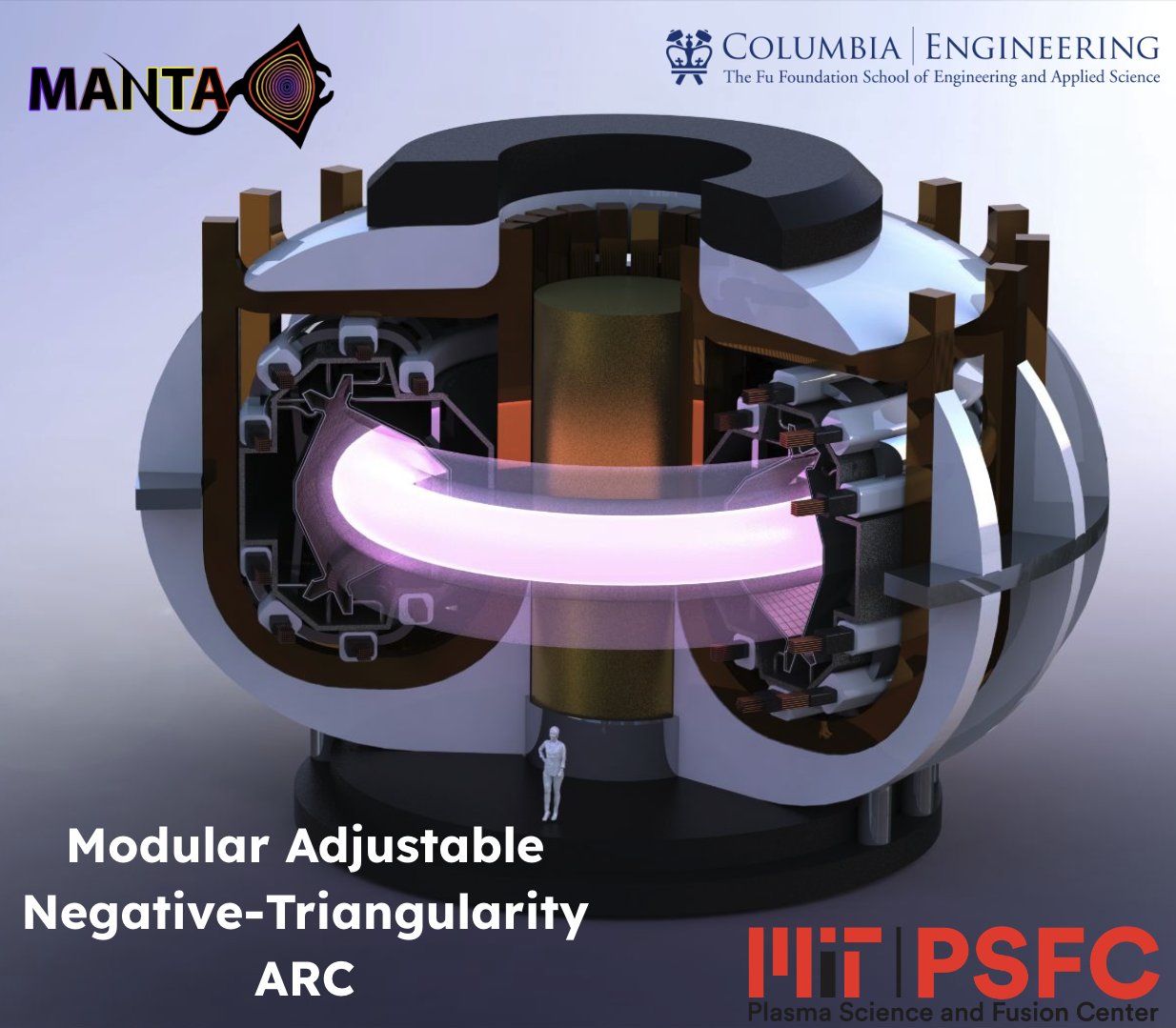
When I think about what it will take to build the world’s first fusion pilot plant, I keep coming back to the same set of unsolved problems. We know the physics of ignition well enough to design a machine that can achieve it. What we don’t yet know is how... [Read More]
-
Academic Fusion Research in the Era of Private Investment
When I started graduate school in plasma physics, the landscape of fusion research was almost entirely public. The experiments were at national laboratories and universities; the funding came from DOE and its international equivalents; and the timeline for commercial fusion was measured in decades — long enough that the question... [Read More] -
Testing Negative Triangularity on MAST-U: An International Collaboration
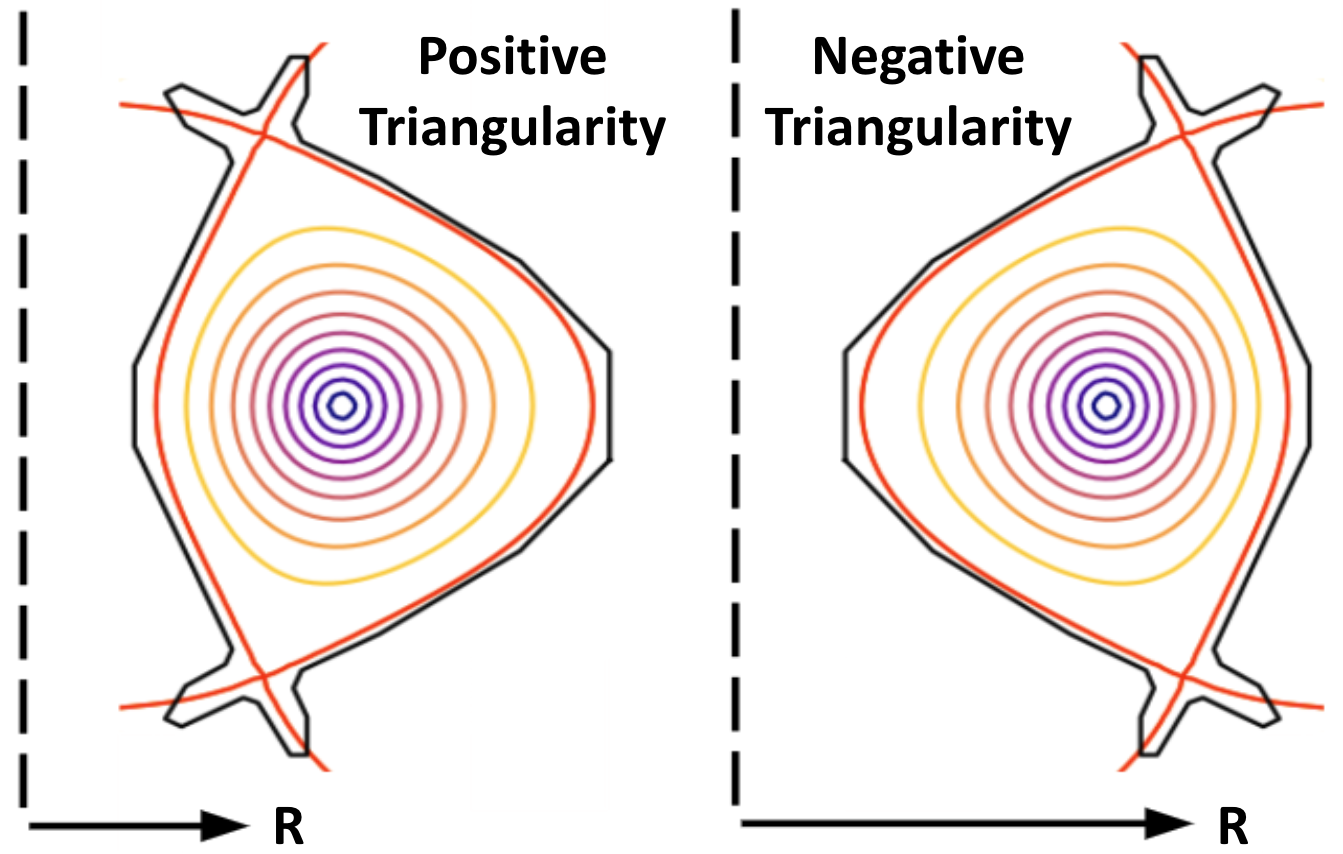
One of the persistent concerns in plasma physics is whether results observed on a single machine reflect universal physics or are artifacts of that machine’s particular geometry, heating systems, or wall conditions. This concern is especially acute for negative triangularity (NT), where most of the world’s data comes from two... [Read More] -
Integrated Research Infrastructure for Fusion Energy Research
As we approach the era of burning plasmas, the computation and data challenges in the field will become much larger. In order to support the next step of fusion data analysis, we have been started the construction of an Integrated Research Infrastructure (IRI) that seamlessly integrated data from larg-scale experimental... [Read More] -
Using Machine Learning to Accelerate Fusion Discovery
Researchers around the world are starting to realize the game-changing potential for machine learning (ML) in fusion. Inherently, fusion energy research involves tremendously large and complicated datasets, requiring enormous manual effort to analyze. By adapting developments in ML technology from outside of fusion to the fusion landscape, we can make... [Read More] -
Engineering Integration on Fusion Energy Devices
As we get closer to the realization of fusion energy, engineering considerations will play larger and larger roles in the reality of fusion power plant design and operation. One of the major challenges in this space is the design and optimization of a fully-integrated demonstration device, which must be able... [Read More] -
Exploring Negative Triangularity Configurations on the DIII-D Tokamak
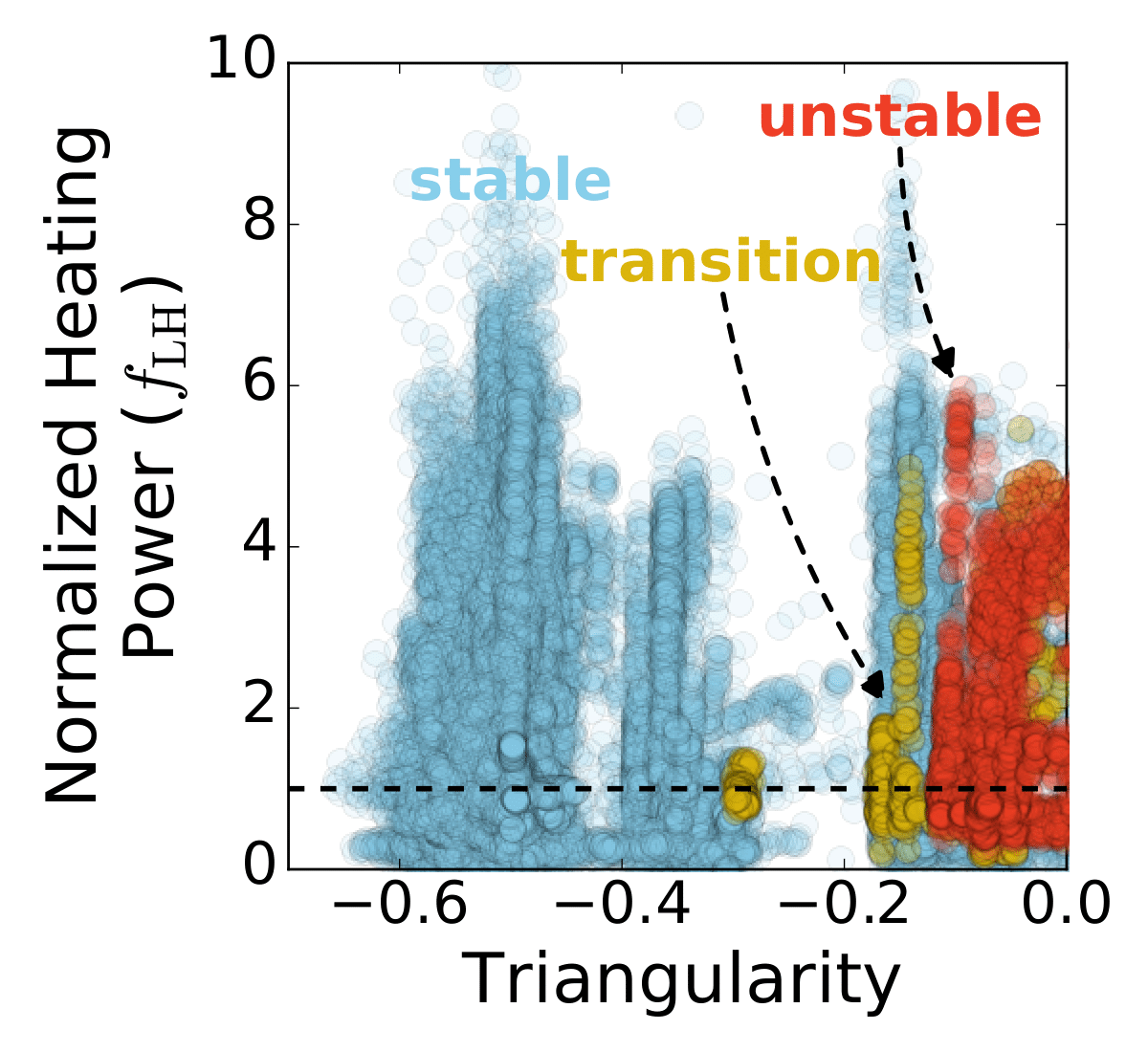
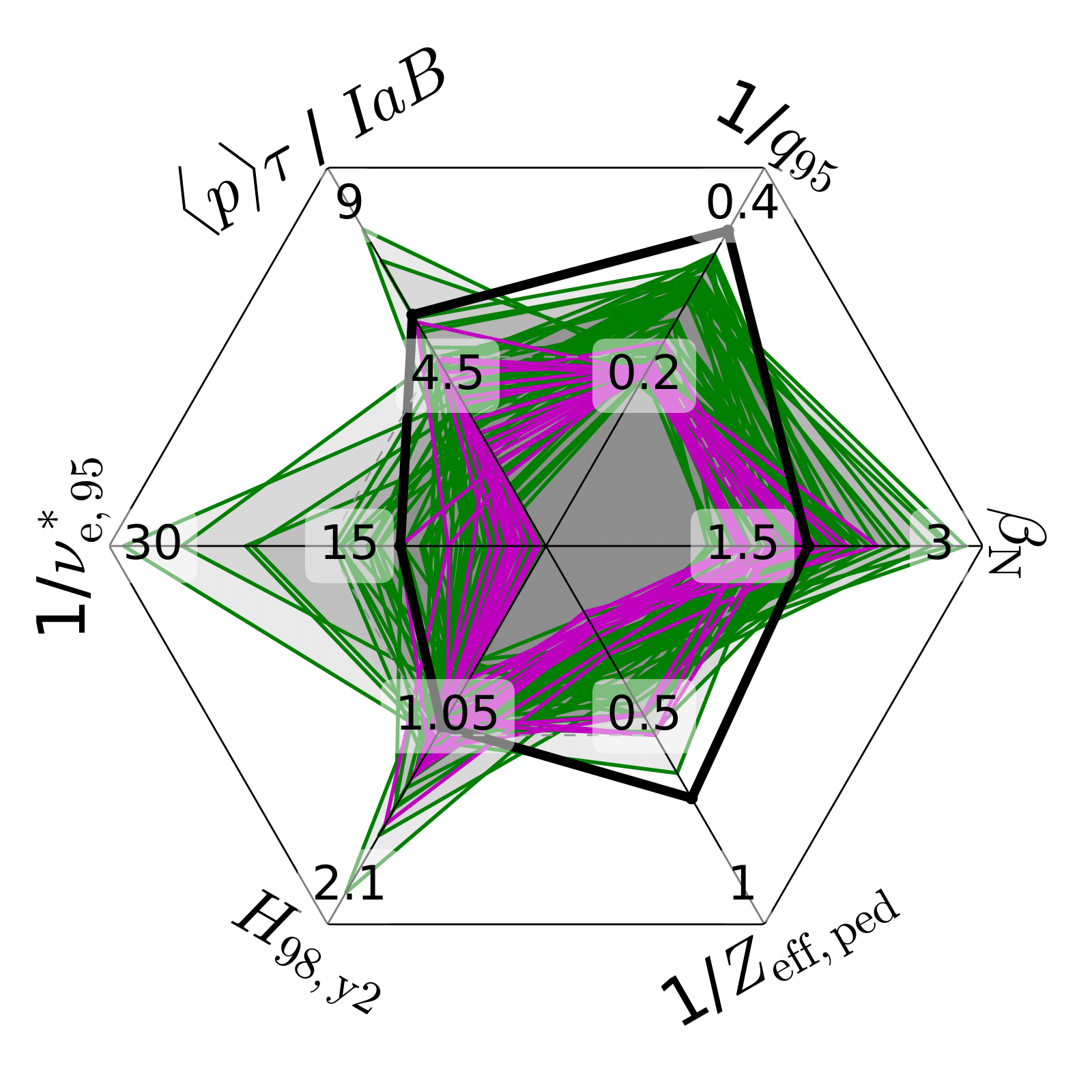
As one of the most flexible and powerful tokamak facilities in the world, the DIII-D National Fusion Facility is a premier location for ground-breaking studies in magnetic fusion energy. In January and February of 2023, we completed an innovative month-long fusion research campaign on DIII-D utilizing a plasma configuration known... [Read More] -
Fusion Power Plant Design Using Negative Triangularity
The pursuit of commercial fusion energy, which could provide a clean and effectively limitless power source for humanity, is often heralded as one of the most important and difficult scientific endeavors of our time. One of the leading approaches for fusion, the tokamak, uses magnetic fields to confine a hot... [Read More] -
Vertical Stability Control on Tokamaks
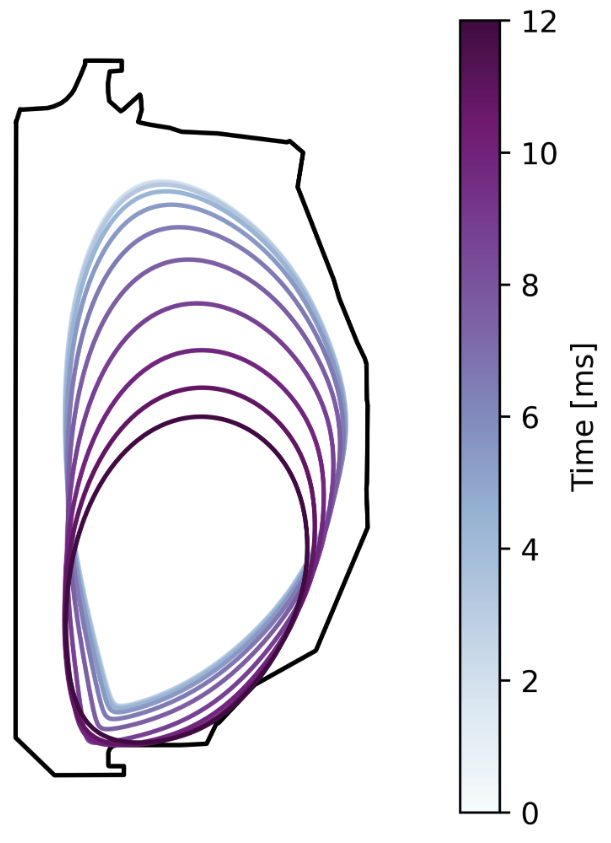
Vertical stability is one of the central fundamental challenges for tokamak plasmas. While a toroidal plasma with a perfectly circular cross-section can be prevented from moving up or down by the inclusion of a small radial magnetic field (self-generated by the plasma current!), it is often desirable to stretch (or... [Read More] -
ELM-free Operating Scenarios for Tokamaks
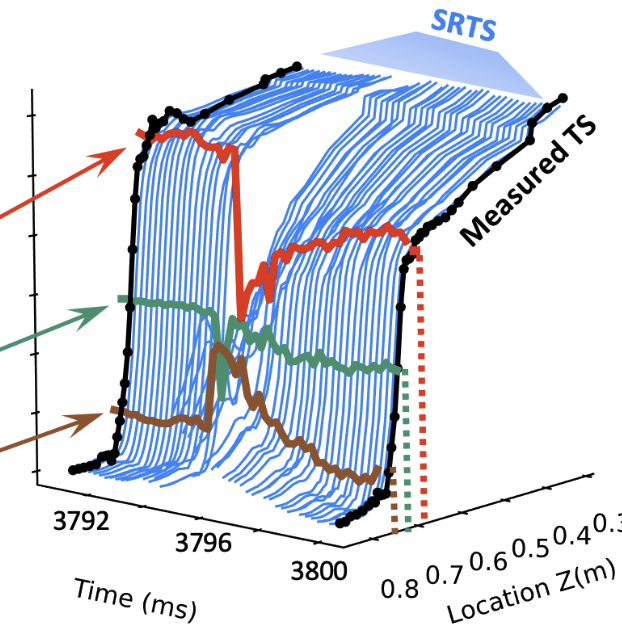
The H-mode pedestal is an emergent phenomenon that occurs in tokamaks when the heating power is raised above a certain threshold. To first order it acts like a bucket, preventing fusion-relevant core plasmas from leaving the confined region. However, much like a bucket will eventually overflow if it continues to... [Read More] -
Microinstability Characterization in the Tokamak Edge
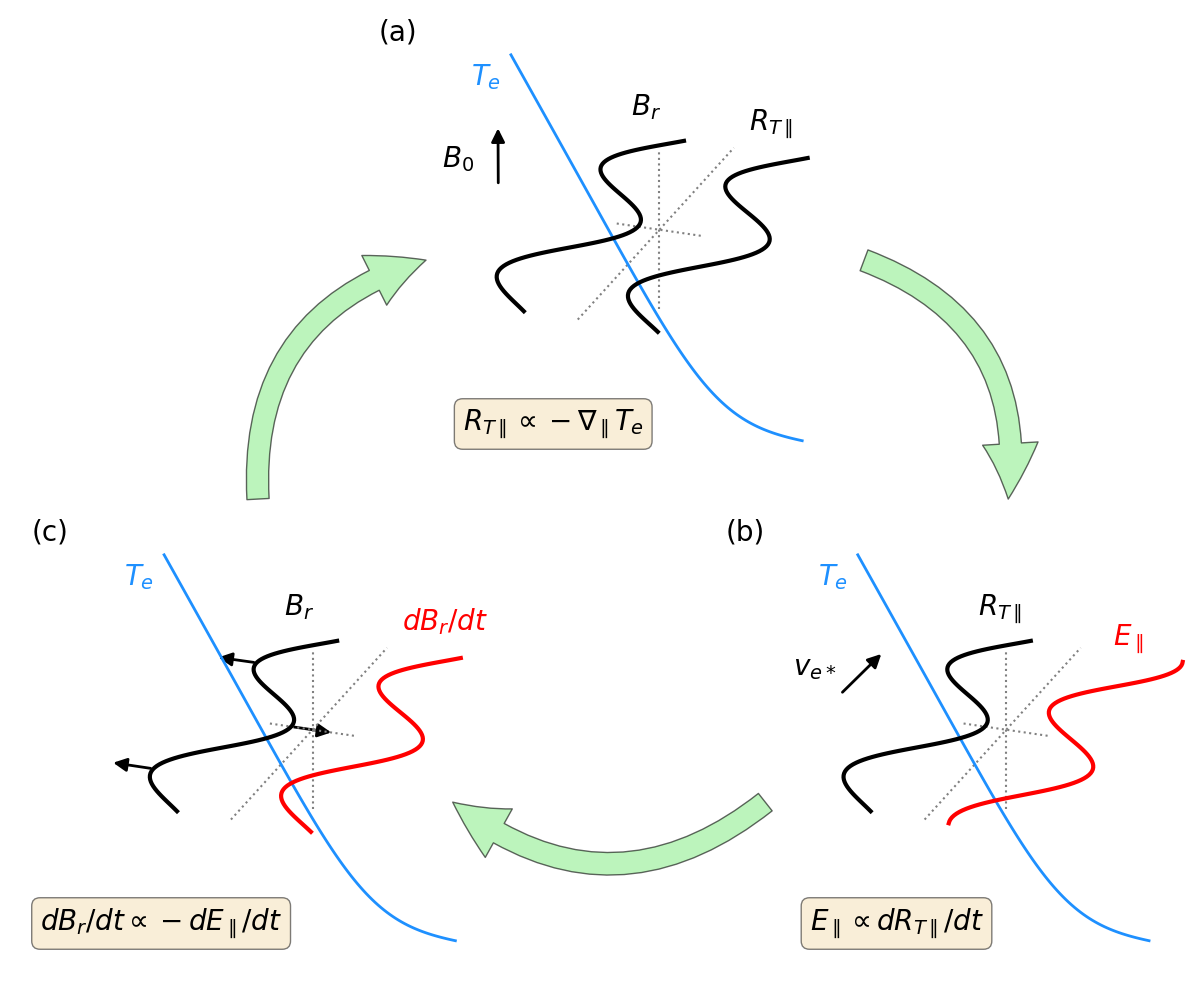
In tokamaks, a high confinement operational mode (H-mode) is reached when the plasma self-organizes to generate a narrow edge transport barrier called the pedestal. Velocity shear in this region tears apart turbulent eddies, allowing for the growth of pedestal gradients in a quiescent metastable state until explosive global events are... [Read More] -
Advanced Heating Control Schemes
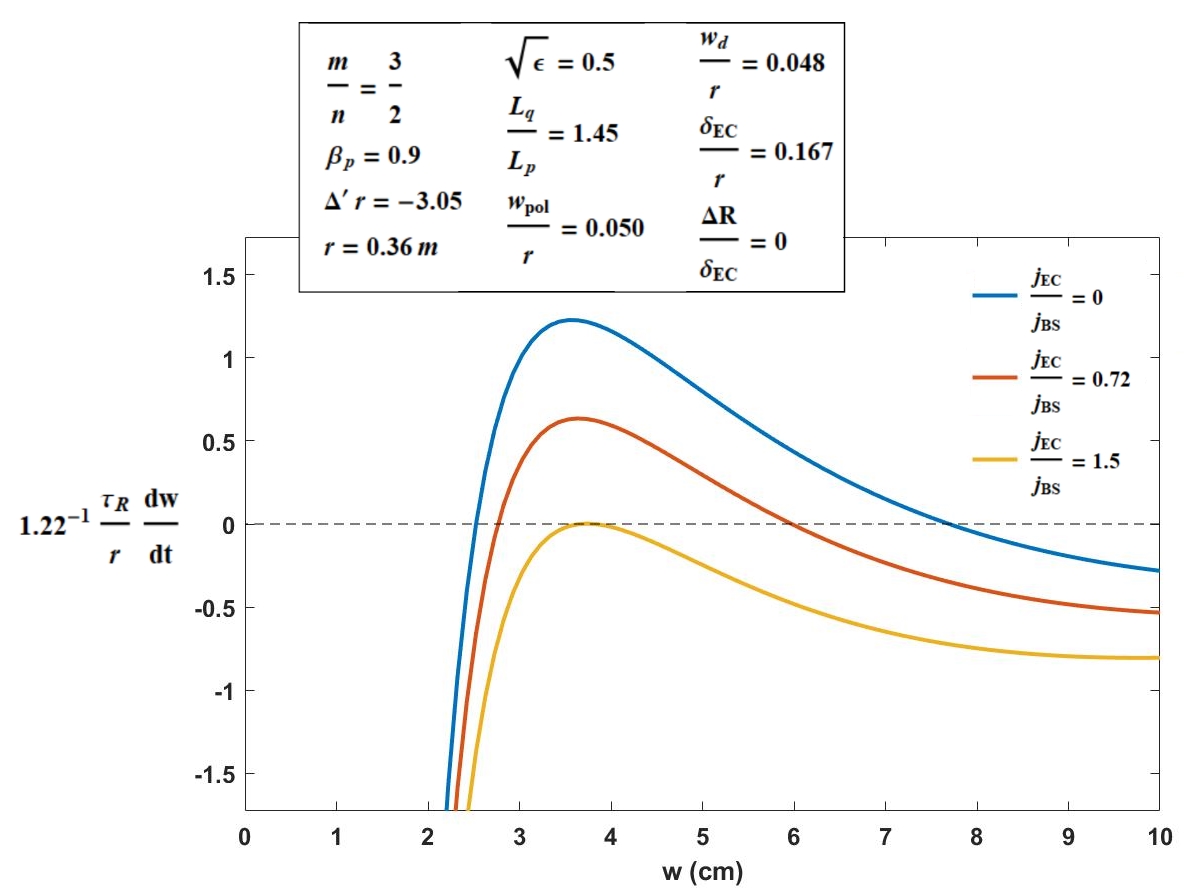
Electron cyclotron current drive (ECCD) is not only a powerful heating source for tokamaks. By driving current in specific locations within the tokamak, dangerous magnetic islands, which can grow large enough to ultimately destroy the plasma confinement, can be suppressed. On the DIII-D tokamak, we developed several techniques to better... [Read More]